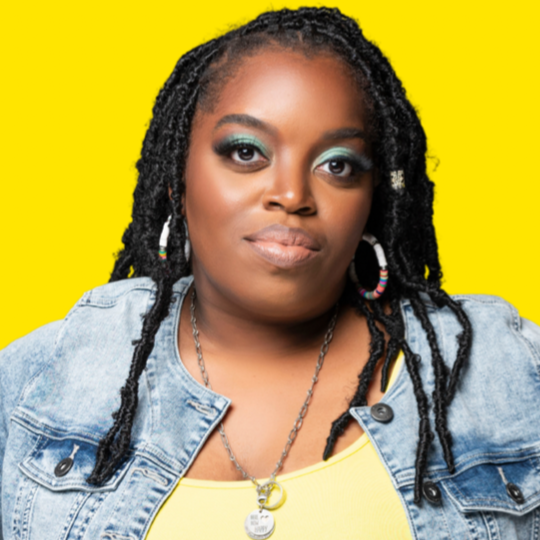
Full Spectrum Doula
Uwem Ward
Hi, my name is Uwem Ward. I am a perinatal fitness doula, maternal health advocate, and emotional resilience coach serving Black women and neurodivergent mothers who want to enter birth and motherhood with clarity, strength, and agency.
About Me
I coach women into becoming BADASS MOMS!
Some doulas hold hands and rub feet. I'm not that. I equip my clients to know exactly what they want and SAY IT! Dads too!
Hi. I'm Uwem, a Spiritual Identity Coach ("Who am I? Like FOR REAL?" Coach), a Personal Trainer (with multiple advanced degrees and special training in pelvic floor fitness), and a Breastfeeding Coach/ Doula serving Black and neurodivergent Women of Color who want to enter birth and motherhood with clarity, strength, and a little spice. :)
LIMITED AVAILABILITY FOR IN-PERSON BIRTH, so if you need that, please book IMMEDIATELY, so we can discuss and get you on my calendar! Message me or contact Raya Support if you have issues with booking.
With degrees in Exercise Science and Nutrition, and decades of experience in Spiritual Identity Coaching and recovery-centered leadership, Uwem integrates evidence-based fitness guidance with trauma-informed emotional support, preparing her clients not just for labor and delivery, but for the journey into motherhood itself.
She knows that for many Black women, pregnancy is layered with generational narratives, systemic inequities, and the unspoken pressure to be "strong." With her doctoral work in Psychology (shameless plug - yep, i'm a PhD Student!), Uwem is working to create space for Black women to thrive and just BE!
Uwem weaves together physical preparation, nervous system regulation, advocacy support, and postpartum emotional support. Her work extends beyond birth into identity, helping women step into motherhood not diminished, but expanded.
Practice Philosophy
Typically, maternal care prioritizes protocol over personhood.
Black women are expected to tolerate dismissal.
Neurodivergent women are expected to mask.
And many mothers are told to be grateful, compliant, or quiet. I vehemently reject that model.
Instead, I believe a mother's intuition is clinically relevant, that emotional safety is as essential as physical safety, that advocacy should be proactive rather than reactive, and that strength does not require silence; support can be gentle and powerful at the same time.
I approach pregnancy as preparation of the whole person: body, nervous system, mind, and story. Physical training, nutritional literacy, and pelvic floor awareness all matter, but so does dismantling the pressure to be the "strong Black woman," honoring sensory needs, preparing scripts for medical advocacy, and processing past birth or religious trauma that may surface along the way.
For Black women, this means acknowledging systemic realities without surrendering joy.
For neurodivergent mothers, it means structure, clarity, predictability, and sensory-conscious care.
The most important work often happens before labor begins.
My prenatal care focuses on mindset coaching, physical preparation, and strengthening the support system around the mother, building strength and confidence through gentle fitness, pelvic awareness, and practical education.
I mentor partners, fathers, and spouses to become calm, emotionally steady support: learning to regulate stress, ask informed questions, and advocate clearly when it matters most.
Birth is unpredictable, providers change shifts, policies shift, plans evolve.
As a mother of 4, I am not always available to attend births in person. (VIRTUAL SUPPORT IS ALWAYS AVAILABLE.)
*****So my goal is always to equip families to feel prepared whether or not I'm physically present. The most reliable protection during birth isn't a single support person; it's a mother and partner who understand their options and feel confident advocating for themselves.*****
The postpartum period is one of the most vulnerable transitions in a woman's life, yet often the least supported. My postpartum care helps mothers recover, rest, and stabilize their support systems so they're not carrying the weight of early motherhood alone, through emotional processing, practical support, and the gentle rebuilding of strength. Motherhood should not begin with exhaustion and isolation. With the right preparation and support, it can begin with strength, clarity, and care for the woman at the center of it all.
Population Experience
Black, African Diaspora & Women of Color, Neurodivergent Families (ADHD/ASD), Plus-Size Pregnancy, Experienced/Second-Time+ Parents, High-Risk Pregnancies (incl. Preeclampsia & Gestational Diabetes), NICU Families (incl. Micro/Super Preemies), Home Birth, VBAC, HBAC (Home Birth After Cesarean)
Specialties
- Prenatal Mindset Coaching
- Maternal Fitness & Exercise Science
- Nutritional Guidance
- Pelvic Floor Awareness
- Nervous System Regulation
- Partner & Co-Parent Coaching
- Trauma-Informed Care (incl. Birth & Religious Trauma)
- Medical Advocacy Coaching
- Identity & Recovery Coaching
- Postpartum Integration
- Breastfeeding Peer Educator
- Plus-Size Pregnancy
- VBAC
- HBAC (Home Birth After Cesarean)
- Experienced/Second & Third-Time Parents
- Neurodivergent Moms & Families
Services Offered
- Prenatal Care
- Postpartum Care
- Virtual Labor & Birth Support
- Extended In-Home Postpartum Care
- In-Person Labor & Birth Support
Your Pregnancy Journey
Get started on your unique care plan in no time.
.webp)
Doulas offer a variety of services, primarily focused on providing emotional, physical, and informational support during pregnancy, labor, birth, and postpartum.